استشاري جراحات المياه البيضاء وتصحيح الابصار وعلاج جفاف العيون
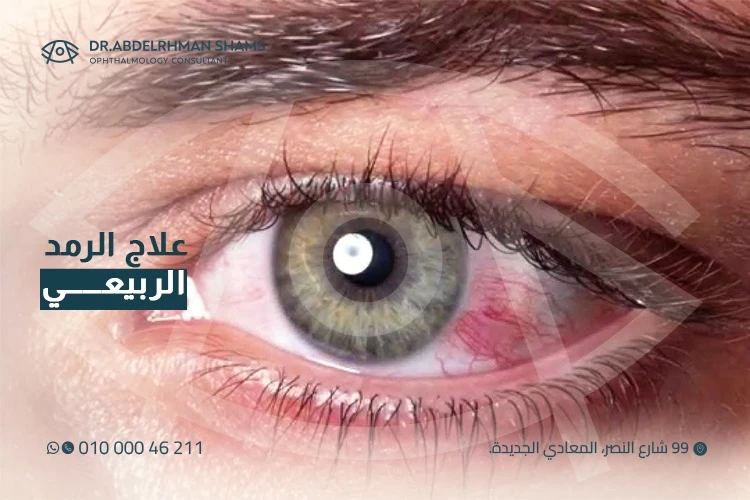
Waking up with an intense, unbearable itch in your eyes, accompanied by thick discharge, severe redness, and a painful sensitivity to light that makes it impossible to face the morning sun—this is the daily reality for thousands of people suffering from spring catarrh.
Officially known in the medical community as Vernal Keratoconjunctivitis (VKC), this chronic, severe eye allergy goes far beyond the typical seasonal sniffles. If left unmanaged, it can deeply disrupt a child's education or an adult's professional life, and in severe cases, even threaten permanent vision.
When dealing with a condition this severe, reliance on generic over-the-counter drops is not enough. Achieving clear vision and long-term relief requires a scientifically backed, structured approach.
This comprehensive medical guide explores the strategic approach to vernal keratoconjunctivitis treatment, distinguishing its types, understanding its root triggers, and exploring why specialized, professional care is vital to protecting ocular health.
What is Vernal Keratoconjunctivitis (Spring Catarrh)?
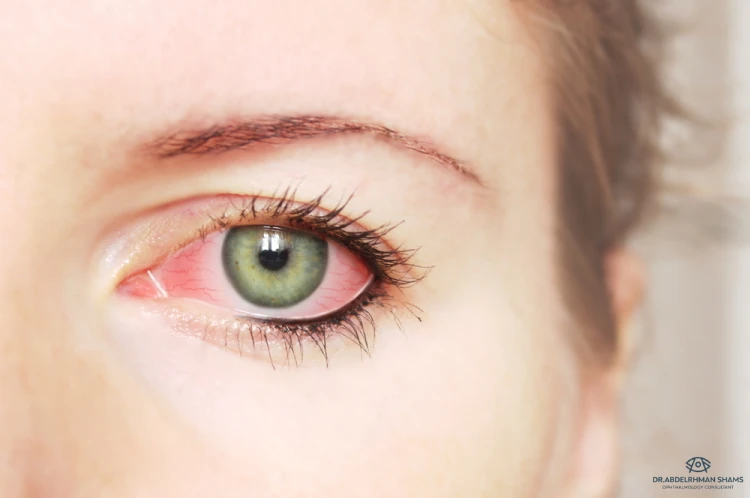
Before diving into vernal keratoconjunctivitis treatment, it is crucial to understand the pathology of this condition. Vernal keratoconjunctivitis (VKC), historically referred to as vernal keratoconjunctivitis spring catarrh, is a severe, chronic, and recurrent bilateral inflammation of the conjunctiva.
Unlike standard ocular allergies, VKC involves a complex, dual-mediated immune response: a Type I (IgE-mediated) immediate hypersensitivity combined with a Type IV (cell-mediated) delayed hypersensitivity.
This combined immune reaction leads to a massive infiltration of inflammatory cells (eosinophils, mast cells, and T-lymphocytes) into the ocular surface tissues, resulting in structural tissue remodeling, mucus overproduction, and potential corneal complications.
Vernal Keratoconjunctivitis vs Allergic Conjunctivitis
Understanding the distinction between vernal keratoconjunctivitis vs allergic conjunctivitis is essential for proper medical intervention:
|
Feature |
Standard Allergic Conjunctivitis |
Vernal Keratoconjunctivitis (VKC) |
|
Primary Age Group |
Adults and young adults alike |
Primarily children and adolescents (mostly males) |
|
Seasonality |
Seasonal (Spring/Autumn) or Perennial |
Strictly seasonal peaks (Spring/Summer), can become chronic |
|
Immune Mechanism |
IgE-mediated (Type I) only |
Dual-mediated (Type I and Type IV cell-mediated) |
|
Corneal Involvement |
Extremely rare |
Common and potentially vision-threatening |
|
Key Signs |
Mild redness, watery discharge, itching |
Giant cobblestone papillae, thick ropy mucus, photophobia |
Exploring the Anatomy: Vernal Keratoconjunctivitis Types
A key component of planning a successful vernal keratoconjunctivitis treatment regimen is identifying the specific clinical presentation. Ophthalmologists categorize VKC into three distinct anatomical types depending on which part of the eye is primarily affected:
- Palpebral VKC: This type predominantly targets the upper tarsal conjunctiva (the lining under the upper eyelid). It is characterized by the formation of large, flat-topped inflammatory bumps known as giant papillae.
- Limbal (Bulbar) VKC: This variant affects the limbus—the delicate border zone where the cornea meets the white sclera. It leads to gelatinous thickening and the accumulation of specialized inflammatory cell deposits.
- Mixed VKC: A complex combination where the patient exhibits clinical signs on both the upper palpebral conjunctiva and the limbal zone simultaneously.
Vernal Keratoconjunctivitis Causes and Triggers
Developing an effective prevention plan alongside active vernal keratoconjunctivitis treatment requires looking into vernal keratoconjunctivitis causes.
While the exact underlying etiology remains an area of ongoing study, clinical research presented in vernal keratoconjunctivitis ppt medical resources points to a clear combination of environmental triggers and genetic predispositions:
- Airborne Pollens and Plant Matter: High atmospheric concentrations of tree, grass, and flower pollens during spring and summer heavily stimulate the ocular immune response.
- Environmental Dust and Pollution: Windborne desert dust, particulate air pollution, and vehicle emissions irritate the ocular surface, lowering the threshold for allergic reactions.
- Chemical Irritants: Exposure to harsh chemicals, such as chlorine in swimming pools, smoke from cigarettes, and certain synthetic components in cosmetics or eye makeup.
- Climatic Factors: Hot, dry, and windy microclimates significantly exacerbate the evaporation of the tear film, leaving the hypersensitive conjunctiva unprotected against allergens.
Identifying the Signs: Vernal Keratoconjunctivitis Signs and Symptoms
Accurate diagnosis must precede any vernal keratoconjunctivitis treatment. Patients and caregivers should watch for these classic vernal keratoconjunctivitis signs:
- Intense Ocular Pruritus (Itching): The hallmark symptom, which typically worsens in warm environments or upon waking.
- Severe Photophobia: Extreme sensitivity to light that frequently forces individuals to squint or remain indoors.
- Thick, Ropy Mucus Discharge: Unlike the watery discharge of standard allergies, VKC produces a characteristic elastic, stringy mucus.
- Foreign Body Sensation: A constant feeling of grittiness or friction under the eyelids, caused by structural changes in the conjunctiva.
- Cobblestone Papillae: Under microscopic examination, the upper eyelid lining displays large, raised nodules resembling a cobblestone street.
- Horner-Trantas Dots: Small, elevated white-to-yellow dots found at the limbus, consisting of accumulated eosinophils and epithelial debris.
- Blurred Vision: Temporary or persistent reduction in visual clarity due to corneal involvement, such as punctate keratitis or shield ulcers.
Clinical Protocols for Vernal Keratoconjunctivitis Treatment

Managing this condition requires a multi-tiered therapeutic strategy tailored to the severity of the disease. A proper vernal keratoconjunctivitis treatment plan addresses both immediate acute exacerbations and long-term maintenance to prevent structural ocular damage.
1. At-Home and Preventative Interventions
Conservative, non-pharmacological steps serve as the foundational bedrock of treatment:
- Strict Avoidance of Eye Rubbing: Mechanical friction triggers mechanical mast cell degranulation, worsening inflammation and increasing the risk of developing secondary keratoconus.
- Cold Compresses: Applying clean, chilled compresses over closed eyelids induces localized vasoconstriction, safely blunting intense itching episodes.
- Allergen Avoidance: Utilizing high-efficiency particulate air (HEPA) filters indoors and wearing protective, wrap-around sunglasses outside reduces direct contact with airborne triggers.
2. Maintenance Pharmacotherapy
For mild to moderate presentations, daily maintenance drops help stabilize the ocular surface:
- Dual-Action Antihistamines & Mast Cell Stabilizers: Agents such as Olopatadine, Ketotifen, and Azelastine block histamine receptors while stabilizing mast cell membranes to prevent the release of further inflammatory mediators.
- Pure Mast Cell Stabilizers: Medications like Sodium Cromoglicate and Lodoxamide are utilized for long-term prophylaxis, especially leading up to the spring season.
- Preservative-Free Artificial Tears: Lubricants like carboxymethylcellulose or hyaluronic acid formulations wash away surface allergens and restore the compromised tear film.
3. Advanced and Anti-Inflammatory Therapeutics
During severe flare-ups, specialized clinical interventions are necessary under direct medical supervision:
- Topical Corticosteroids: Short, carefully monitored courses of surface-acting steroids (such as Loteprednol or Fluorometholone) or potent formulations (such as Prednisolone) are used to rapidly suppress severe inflammation. Due to the risks of induced glaucoma and cataract formation, these must never be used without an ophthalmologist's direct oversight.
- Non-Steroidal Anti-Inflammatory Drops (NSAIDs): Drops like Diclofenac or Ketorolac can serve as steroid-sparing agents to help manage pain and surface irritation.
- Systemic Leukotriene Receptor Antagonists: Oral medications such as Montelukast are sometimes integrated into the care plan to address underlying systemic allergic pathways.
Special Patient Considerations
While primarily recognized as a pediatric disease that often resolves after puberty, vernal keratoconjunctivitis in adults can present a highly challenging clinical course.
When the disease persists into adulthood.
it frequently exhibits a higher incidence of severe corneal complications, including persistent corneal epithelial defects, scarring, and secondary keratoconus from years of chronic eye rubbing. Adults require rigorous, long-term monitoring to preserve visual acuity and manage occupational environmental exposures.
learn more about: Eye Cataract Treatment
Securing Expert Ocular Care: Dr. Abdelrahman Shams

Because VKC requires highly precise differentiation from other ocular diseases and careful management of potent medications, choosing an experienced ophthalmologist is vital.
Dr. Abdelrahman Shams is widely recognized as one of the premier eye specialists in Egypt. As a Lecturer of Ophthalmology at the prestigious Faculty of Medicine, Ain Shams University—where he also earned his clinical PhD—Dr. Shams combines deep academic expertise with extensive surgical and clinical experience.
As a Senior Consultant specializing in advanced cataract surgeries, vision correction (LASIK/PRK), and complex ocular surface diseases like dry eye syndrome and chronic allergies, he brings a rigorous, evidence-based approach to patient care.
At his state-of-the-art clinic, Dr. Abdelrahman Shams utilizes advanced diagnostic technology to accurately grade conjunctival papillae, monitor corneal health, and design highly individualized vernal keratoconjunctivitis treatment protocols that deliver rapid relief while protecting long-term vision.
Take Control of Your Eye Health Today
Don't let seasonal allergies or chronic inflammation compromise your or your child's quality of life. Experience personalized, elite-tier medical care designed to safeguard your vision.
To schedule a comprehensive diagnostic evaluation or to learn more about advanced therapeutic options, visit the official platform:
👉 Dr. Abdelrahman Shams Official Website
Book your appointment today and take the definitive step toward clear, comfortable, and healthy vision.
learn more about: Glaucoma Surgeon
الاسئله الشائعة
Vernal conjunctivitis is not a serious illness in most cases, as its symptoms usually disappear with the changing seasons or when the child reaches puberty. However, neglecting treatment can lead to serious complications affecting vision. The disease causes severe irritation, redness, and itching, and is particularly common among children during the spring and summer months.